Telephone
02-77093611
Line
@fdlaw
address
17th Floor, No. 180, Section 2, Dunhua South Road, Da'an District, Taipei City
Telephone
02-77093611
Line
@fdlaw
address
17th Floor, No. 180, Section 2, Dunhua South Road, Da'an District, Taipei City


The core of commercial accounting law cases is not "a crime is committed simply because the accounts are wrong," but rather determining whether accounting vouchers, ledgers, or financial statements do not match actual transactions, and whether relevant personnel knowingly created, recorded, used, or intentionally omitted false information. Whether company leaders, accountants, or those entrusted with accounting matters are criminally liable cannot be determined solely by their professional titles; it requires comparing actual transactions, the source of vouchers, accounting procedures, bank flows, decision-making processes, and the individual's subjective understanding. What does Article 71 of the Commercial Accounting Law primarily punish? The current Article 71 of the Commercial Accounting Law targets commercial leaders, principal and managing accountants, and those legally entrusted to handle accounting matters for others, regulating those who knowingly prepare accounting vouchers or record false information in ledgers, or intentionally cause financial statements to show discrepancies…

If a company's head or accountant has received a notice from the investigation bureau, district prosecutor's office, or court regarding the Commercial Accounting Act, the most important thing now is not to re-examine all accounting regulations, but to first identify which transaction, which voucher, which accounting treatment the prosecution is questioning, and what role they actually played in the decision-making, preparation, approval, or use of documents. Commercial Accounting Act cases often involve comparing contracts, invoices, accounting vouchers, general ledgers, financial statements, bank statements, emails, and supervisory instructions. The defendant's defense should not simply state "it was all accounting treatment" or "I was just following supervisory instructions," but rather that objective data demonstrates the authenticity of the transaction, the division of authority, and the subjective understanding at the time. If it is still necessary to determine which vouchers, ledgers, or financial statements might contain…
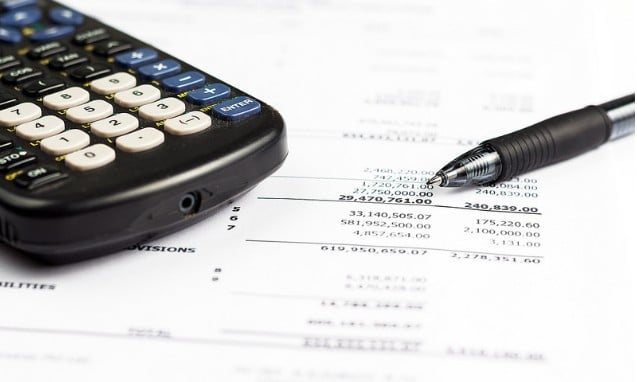
Inaccurate Accounting Records | Shareholder Lawsuit | Commercial Accounting Lawyer Inaccurate accounting records, inaccurate financial statements, or shareholder lawsuits often necessitate clarifying documents and division of responsibilities. Commercial accounting cases commonly involve company executives, financial accountants, directors, supervisors, or managers being questioned for falsifying accounting records, vouchers, or financial statements. These cases require a comprehensive understanding of accounting data, corporate governance processes, and criminal liability. Phone consultation: 02-7709-3611 LINE contact: @fdlaw If a company's accounting records, vouchers, or financial statements are questioned for falsification, or if a lawsuit has already been filed by shareholders, creditors, or other stakeholders, it is usually not just a simple accounting dispute. Company executives, directors, supervisors, managers, and financial accountants may all need to explain transaction processes, document sources…

Commercial Accounting Law | Accounting Vouchers | Forged Documents Accounting vouchers, ledgers, and financial statements are core evidence in commercial accounting law cases. When a company is accused of commercial fraud, forgery, falsifying financial statements, or using outdated accounting vouchers, the focus is not just on memorizing legal provisions, but on clearly explaining each transaction, the source of the vouchers, internal processes, and decision-making authority. Phone consultation: 02-7709-3611 LINE contact: @fdlaw When preparing accounting vouchers, maintaining ledgers, and compiling financial statements, the most important thing is to ensure that every transaction has verifiable evidence. If vouchers, ledgers, or financial statements are questioned for falsification, the case may extend beyond commercial accounting law to forgery, false financial statements, liability of company officials, and even affect subsequent criminal investigations…