Telephone
02-77093611
Line
@fdlaw
address
17th Floor, No. 180, Section 2, Dunhua South Road, Da'an District, Taipei City
Telephone
02-77093611
Line
@fdlaw
address
17th Floor, No. 180, Section 2, Dunhua South Road, Da'an District, Taipei City


Copyright is a legal system that aims to protect the intellectual property rights of creators. Copyright covers various forms of creation, including text, music, art, videos, software, etc. According to different contents and forms of expression, copyright can be divided into the following main categories:
Literary copyright: Covers written works, including novels, poems, articles, etc. This type of copyright protects the author's written creation from unauthorized copying, distribution, or display by others.
Music Copyright: Protects musical works, including song lyrics and musical scores. This type of copyright ensures that authors have control over how their music is produced, performed, recorded or distributed.
Artistic Copyright: Protects works of visual art, such as paintings, sculptures, photography, etc. This type of copyright ensures that artists have the right to control the display, reproduction, and sale of their artwork.
Performance Copyright: This type of copyright involves the rights of performers, including musicians, actors, dancers, etc. It ensures performers control over their performances and prevents unauthorized recording, reproduction or distribution.
Film copyright: This type of copyright protects the rights and interests of the film and the film production company, including the script, film content and music. Film copyright ensures that film producers have the right to prevent unauthorized copying, display and distribution.
Software Copyright: This type of copyright protects the creators of software and computer programs. It ensures that software developers have the right to restrict unauthorized copying, modification and distribution.
Derivative copyrights: Derivative copyrights refer to new works created based on the original work, such as adaptations, translations, variations, etc. The creator of the original work has the right to control derivative works.
Each copyright has its own unique scope and protection content, but the overall goal is to promote the development of culture and creativity while respecting the rights of creators. The types and scope of copyright may vary according to the laws of different countries, but generally speaking, they are designed to balance the rights of creators and the public's right to reasonable use.
In most countries, copyright does not require registration to obtain legal protection. According to the international Berne Convention and other relevant laws, once a creation is completed, copyright is automatically obtained without any formal registration procedures. This principle of automatic protection is called "automatic rights".
However, although registration is not necessary, there are certain benefits to copyright registration in certain circumstances. Here are some advantages of registering copyright:
Information Disclosure: Copyright registration makes relevant information about the creation public, making it easier for others to find the owner of the work. This helps prevent others from inadvertently infringing copyright and provides a public record.
Legal evidence: In some legal systems, copyright registration can be used as legal evidence to prove the date of creation and ownership. This may be helpful when resolving legal disputes.
Claiming damages: In some jurisdictions, unregistered copyright may limit the amount that the rights holder can claim in an infringement action. Registering a copyright provides a greater possibility of compensation for damages.
International protection: In some countries, especially those that are not members of the Berne Convention, copyright registration may be an effective means of obtaining protection from local courts.
Despite these advantages, most countries still follow the principle of automatic rights, whereby copyright is automatically granted upon completion of the creation without the need for registration. Therefore, whether to register a copyright usually depends on the specific needs of the rights holder and the regulations of the legal system.
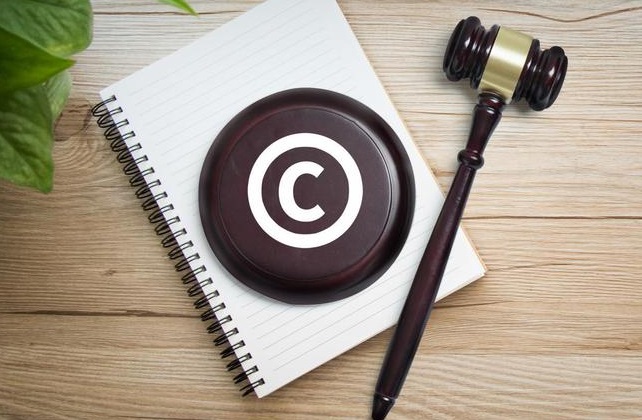
Copyright is a legal system that protects the intellectual achievements of creators and provides protection for various forms of creation such as literature, art, music, and films. However, in today's digital world, the problem of copyright infringement has become more and more serious, which has had a serious impact on creators and the entire cultural industry.
Copyright infringement can cover many aspects, one of which is piracy. Piracy refers to the unauthorized copying, distribution or use of other people's works, which may include text, images, music, videos, etc. Such infringement not only deprives creators of their legitimate benefits, but also damages the diversity of culture and art. Piracy is more likely to occur in the digital environment, making it difficult for creators to prevent and combat it.
Another form of copyright infringement is unauthorized distribution. In the world of the Internet, a large amount of content is quickly shared and distributed, many of which violate copyright. This may include illegally sharing music, videos on social media platforms, or spreading unauthorized text content online. This kind of dissemination not only harms the rights and interests of creators, but also makes the legally operated cultural and entertainment industries face serious competitive pressure.
Copyright infringement not only poses a threat to individual creators, but also causes harm to the entire society. If copyright cannot be effectively protected, creators will lose motivation to create, which may ultimately lead to cultural poverty and a depletion of creativity. In addition, the legal cultural industry is also facing survival difficulties, because piracy and unauthorized distribution make it easier for consumers to obtain free content and are no longer willing to pay fair prices.
In order to solve the problem of copyright infringement, governments, legal institutions and related industries must work together. This includes formulating more stringent laws and regulations, increasing penalties for infringement, and also requires the assistance of technical means, such as digital watermark technology, copyright identification systems, etc., to more effectively track and combat infringement.
In general, copyright infringement brings risks and damage that cannot be ignored to creators, cultural industries and society as a whole. Only through various means such as law, technology and education can we better protect intellectual property rights, ensure that creators continue to be motivated to create, and that culture and art can continue to prosper and develop.
If you find that your copyright has been infringed, you should immediately take a series of measures to protect your rights and interests. Here are some suggestions:
Confirm infringement: First, carefully examine the evidence of infringement of your copyright to ensure that the infringement actually exists. This may include the unauthorized reproduction, publication, display, distribution or modification of your work.
Preserve evidence: Before filing a complaint about copyright infringement, save all possible relevant evidence, such as screenshots, links, communication records, etc. This evidence will later help support your claim of infringement.
Contact the infringing party: Attempt to contact the infringing party and ask them to remove or cease the infringing activity. Sometimes this may be due to unintentional infringement and they may cooperate to resolve the issue to avoid legal action.
Use a statutory notice: If the infringing party is uncooperative, you can send a formal statutory notice, usually a letter drafted by an attorney, requiring the infringing party to cease the infringing conduct and to comply within a reasonable period of time. This is usually a step required by local law.
Call the Police: If the infringement is serious, you may need to call the police and report the crime to your local law enforcement agency. In some cases, copyright infringement may be considered a criminal offense.
Use the complaint mechanisms of digital platforms: If infringement occurs on online platforms, such as social media, websites, video sharing platforms, etc., use the complaint mechanisms of these platforms to submit infringement complaints.
Seek Legal Assistance: If other options fail, you may want to consult an attorney and consider filing legal action. A legal professional can help you assess your situation, provide legal advice, and represent you in legal proceedings if necessary.
Whichever method you choose, you should exercise caution and ensure that your actions are legal and comply with local laws. Legal procedures and procedures may vary from country to country, and it is best to consult a copyright attorney or relevant legal professional before taking action.
Fuda Law Firm
Line:https://line.me/ti/p/@fdlaw
Tel:0277093611
Facebook:https://www.facebook.com/fudalawyer
website:https://fdlaw.com.tw/
e-mail:info@fdlaw.com.tw
You should first preserve the design source, licensing agreement, sales records and communication materials, and not rush to admit infringement or promise compensation.
The assessment can include warning letters, platform removal, civil damages, criminal lawsuits, and subsequent trademark or copyright arrangements.
The rights of the authorizing party, the scope of authorization, the region, the period, the product category, the marketing materials, and the apportionment of liability for infringement should be confirmed.
