Telephone
02-77093611
Line
@fdlaw
address
17th Floor, No. 180, Section 2, Dunhua South Road, Da'an District, Taipei City
Telephone
02-77093611
Line
@fdlaw
address
17th Floor, No. 180, Section 2, Dunhua South Road, Da'an District, Taipei City


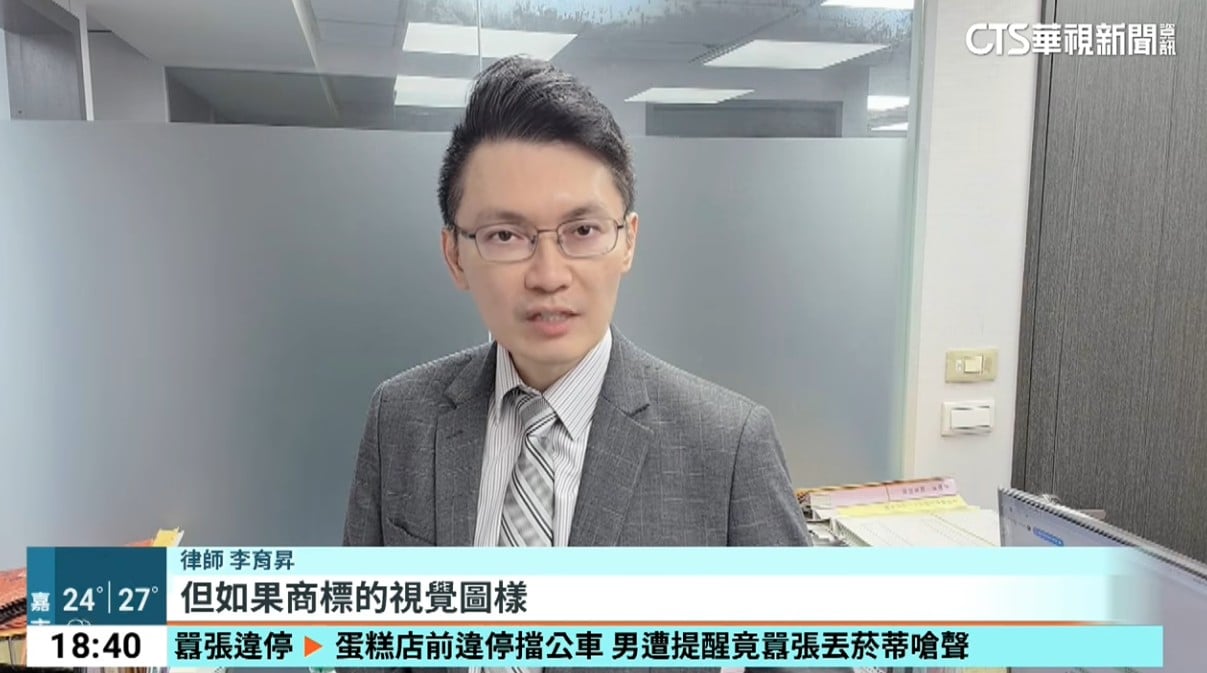
Ximending Donuts Split Up! Original Team Takes Entire Bowl Away, Store Refutes Claim | CTS News
News link:https://youtu.be/WDqpa2Ie6s0?si=G0b5R3zfWJ8pwlfk
The famous donut shop with long queues in Ximending has recently been embroiled in a management controversy! Employees accuse the landlord, with whom they have a partnership, of kicking out the entire team and taking over the business, even continuing to use the trademark, in an attempt to monopolize the brand. As a result, the original team had to change the name to "Liang Liang Cui" and open a new store nearby. However, the accused "Yi Cui" donut shop refutes the allegations, stating that they were never the landlords, but rather partners from the beginning, and that the partnership was terminated due to accounting issues.
Attorney Li Yu-sheng of Fidelity Law Firm stated that Taiwan's trademark law generally adopts the "first-to-file" principle, giving the landlord a legal advantage if they register first. However, if the trademark's visual design was personally created by the owner or commissioned to create it, the owner can claim copyright, argue that the landlord maliciously registered the trademark, or assert their rights based on the internal cooperation agreement between the two parties. In all these cases, the owner still has the opportunity to file an objection or have the landlord's trademark rights revoked, and further fight for their original rights.
Further reading:
A Shield Protecting the Value of Innovation: Fidelity's Intellectual Property Law Team
Fuda Law Firm
Line:https://line.me/ti/p/@fdlaw
Tel:0277093611
Facebook:https://www.facebook.com/fudalawyer
website:https://fdlaw.com.tw/
e-mail:info@fdlaw.com.tw
Trademark infringement focuses on brand recognition and consumer confusion, while copyright infringement focuses on whether the work is original and whether it is substantially similar to another work. Both can occur simultaneously.
You need to look at company registration, trademark holders, partnership agreements, authorization contracts, commission relationships, and evidence of actual use; you can't just judge based on who used it first.
Trademark information, social media posts, menus, signs, design drafts, commission records, conversations, and business evidence should be preserved before a lawyer assesses whether to issue a letter, remove items from shelves, negotiate, or file a lawsuit.
