Telephone
02-77093611
Line
@fdlaw
address
17th Floor, No. 180, Section 2, Dunhua South Road, Da'an District, Taipei City
Telephone
02-77093611
Line
@fdlaw
address
17th Floor, No. 180, Section 2, Dunhua South Road, Da'an District, Taipei City


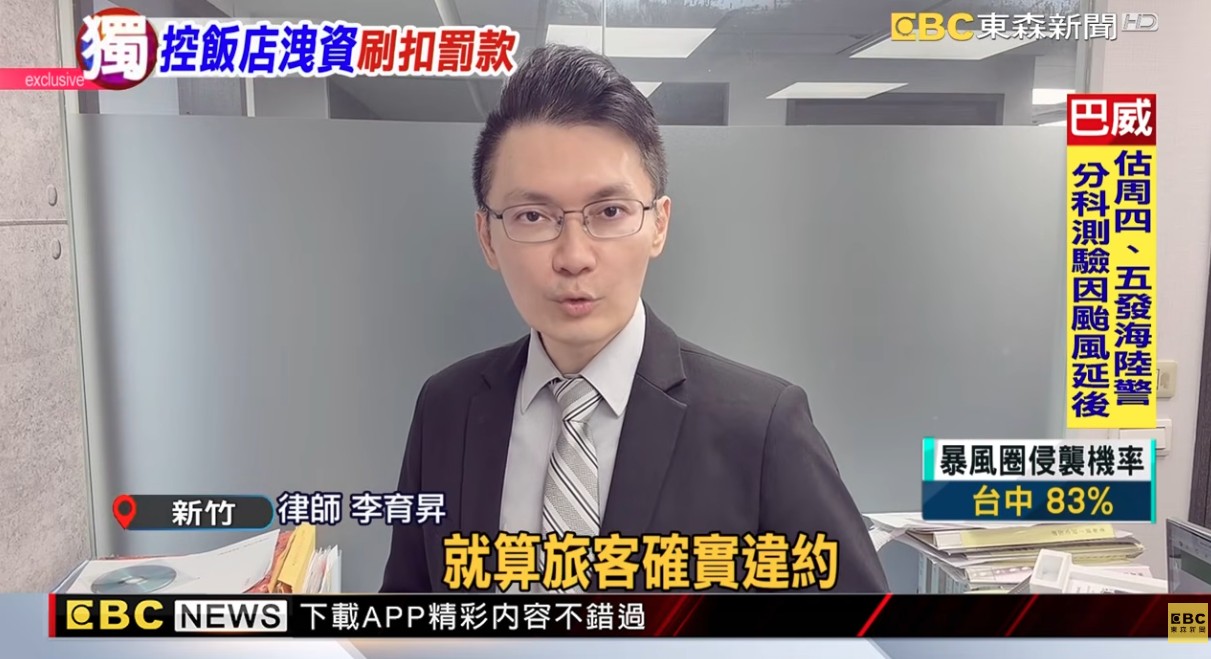
News Headline:A NT$5,000 fine for smoking was "directly charged to a credit card"? Customers complain that a four-star hotel misused "card number privacy" for automatic deductions.
Media Source:ETtoday News
reporter:Wang Qinghua
It is not necessarily illegal for hotels to charge guests a cleaning fee or penalty for smoking in their rooms; however, if they are not clearly informed in advance, do not obtain authorization for the deduction, or cannot provide proof of violation and damage, consumers have the opportunity to dispute the credit card charge.
According to news reports, a traveler was charged NT$5,000 by the hotel after checking into a four-star hotel, citing smoking in the room as the reason. The traveler questioned the hotel's unauthorized use of credit card information and criticized the improper use of the card number's privacy.
Such disputes are common in accommodation and hospitality transactions: hotels argue that guests violated no-smoking rules, while consumers believe they did not consent to subsequent charges or that the business failed to provide clear evidence. Legally, it depends on whether the contract terms, credit card authorization, actual damages, and chargeback procedures are clearly defined.
Lawyer Li Yusheng of Fidelity Law Firm stated that hotels are not administrative agencies and therefore cannot use public power to fine guests. If a hotel were to charge NT$5,000, the legal nature of such a charge would typically be a cleaning fee, damages, or penalty stipulated in the contract, rather than an administrative fine.
The key questions are: Did the traveler clearly see the agreement that "smoking in the room will incur a cleaning fee or penalty" when booking or checking in? Was the amount clearly stated? Was the credit card authorized only for the room fee, or also for subsequent miscellaneous charges, damages, or penalties? Can the hotel provide evidence such as smoke smells, ash, cleaning records, photos, or other proof in the room?
Furthermore, credit card numbers are considered personally identifiable financial information. Businesses should collect, store, and use credit card information only for the purposes originally disclosed and authorized. If a traveler believes that a charge exceeds the authorized scope, they can request a written explanation from the hotel or apply for dispute settlement with the issuing bank.
Actual administrative penalties should be imposed by the competent authority in accordance with the law. If a hotel charges a guest NT$5,000, it is usually based on the accommodation contract to claim cleaning fees, damages, or liquidated damages.
If the booking page, check-in instructions, or signed documents do not clearly specify the deduction items and amounts, and the hotel directly deducts the payment from the credit card, it is easy to cause consumer disputes.
Credit card numbers can indirectly identify cardholders and are protected under personal data protection laws. Businesses using card numbers must adhere to the original purpose and the necessary scope of data collection.
If you disagree with the deduction, it is recommended that you save your booking page, check-in documents, credit card notification, hotel response, and photos taken at the scene, and contact your card-issuing bank as soon as possible to inquire about the dispute process.
Not necessarily. It depends on whether there was a clear contractual agreement at the time of booking or check-in, whether the traveler authorized credit card deductions, and whether the hotel can prove that the traveler did indeed violate the rules and incur cleaning or damage costs.
If the terms are clear, the amount is reasonable, and the restaurant can provide evidence of any violation, the case is more likely to be successful. However, if the terms are unclear, the amount is excessive, or the evidence is insufficient, the consumer can still argue their case.
Yes. The Ministry of Justice believes that if a credit card number can indirectly identify the cardholder, it still falls under the category of personal data. Businesses collecting and using such data must comply with the Personal Data Protection Act.
You can first ask the hotel for the basis and evidence of the deduction, and apply for a disputed amount from the issuing bank; if the problem still cannot be resolved, you can file a complaint with the consumer protection officer or the relevant competent authority.
When checking into a hotel, travelers are advised to keep the booking page, check-in instructions, and credit card authorization details. If the hotel charges a fee afterward, travelers should request the basis for the charge, photos of any violations, cleaning records, and a breakdown of the charges. Hotel operators should clearly state their no-smoking policies, cleaning fees, and credit card authorization details to avoid disputes over personal information and consumer rights due to unclear procedures.
Fuda Law Firm
If you encounter issues such as hotel charges, credit card disputes, personal data breaches, standard contracts, or consumer disputes, it is recommended that you first organize your booking records, credit card transaction records, screenshots of conversations, and the business's response, and then have a lawyer assist you in assessing the subsequent handling methods.
Line:https://line.me/ti/p/@fdlaw
Tel:0277093611
Facebook:https://www.facebook.com/fudalawyer
website:https://fdlaw.com.tw/
e-mail:info@fdlaw.com.tw
References:ETtoday News YouTube Video,Standardized Contract Template for Individual Passenger Hotel Booking by the Ministry of Transportation,Article 12 of the Consumer Protection Law,Ministry of Justice's interpretation of credit card number as personal data,Specific purposes and categories of personal data under the Personal Data Protection Act
