Telephone
02-77093611
Line
@fdlaw
address
17th Floor, No. 180, Section 2, Dunhua South Road, Da'an District, Taipei City
Telephone
02-77093611
Line
@fdlaw
address
17th Floor, No. 180, Section 2, Dunhua South Road, Da'an District, Taipei City


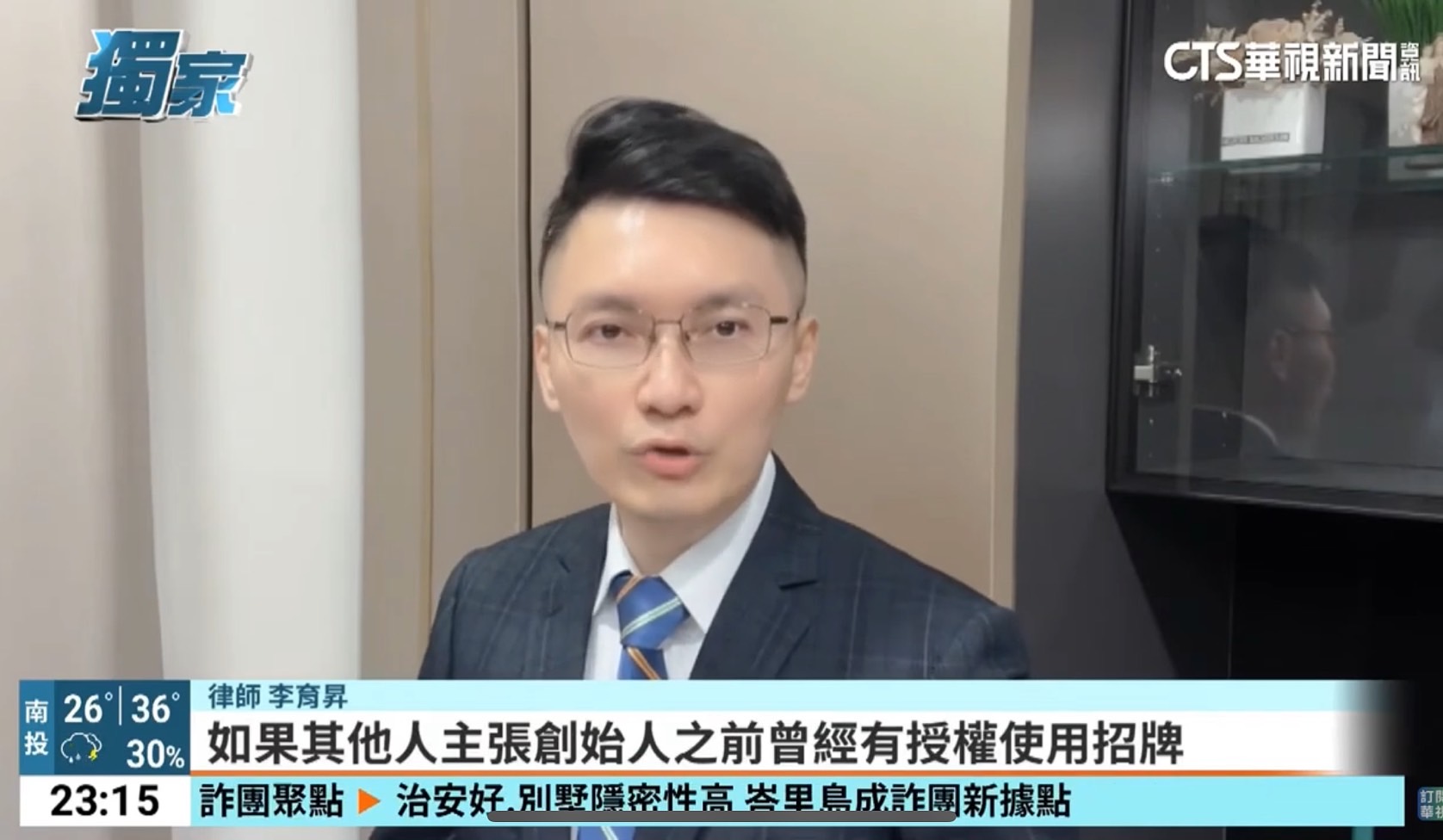
Silver House Soup and Curry Makes a Double Pack | China Television News Reporter Gan Yuxin
News link:https://youtu.be/tGl_wegetMw
Silver House Soup Curry is having a double pack. The owner of the current main store on Shida Road in Taipei City said that the original store on Pucheng Street was given over to others, but because other people did not follow the main store’s instructions on ingredients and cooking methods processing, causing customers to complain that the taste has changed.
Does the head store owner have the right to prohibit others from using the Ginya Soup Curry sign?
Lawyer Li Yusheng from Fidelity Law Firm said that it mainly depends on the contract between the two parties. According to the documents provided by the head office owner, it can be seen that he has applied for trademark registration for the sign. As for whether he has authorized others to use it and whether he has the right to terminate the authorization, this still needs to return to the contract between the two parties. If there is any situation of joining or selling a store, it is recommended to seek assistance from a lawyer and clearly stipulate the relevant rights and obligations in a written contract, which can avoid future disputes.
Trademark-related news:
Fuda Law Firm
Line:https://line.me/ti/p/@fdlaw
Tel:0277093611
Facebook:https://www.facebook.com/fudalawyer
website:https://fdlaw.com.tw/
e-mail:info@fdlaw.com.tw
It usually depends on the contract. If the authorization has been terminated, continued use of the trademark, signage, or brand materials may constitute trademark infringement or breach of contract.
The scope, duration, geographical area, usage method, quality control, post-termination procedures, liability for breach of contract, and dispute resolution methods should be clearly defined.
Yes. Many trademark disputes can be resolved through lawyer's letters, licensing negotiations, product removal, renaming, or settlement, but it is essential to preserve evidence of infringement and use beforehand.
