Telephone
02-77093611
Line
@fdlaw
address
17th Floor, No. 180, Section 2, Dunhua South Road, Da'an District, Taipei City
Telephone
02-77093611
Line
@fdlaw
address
17th Floor, No. 180, Section 2, Dunhua South Road, Da'an District, Taipei City


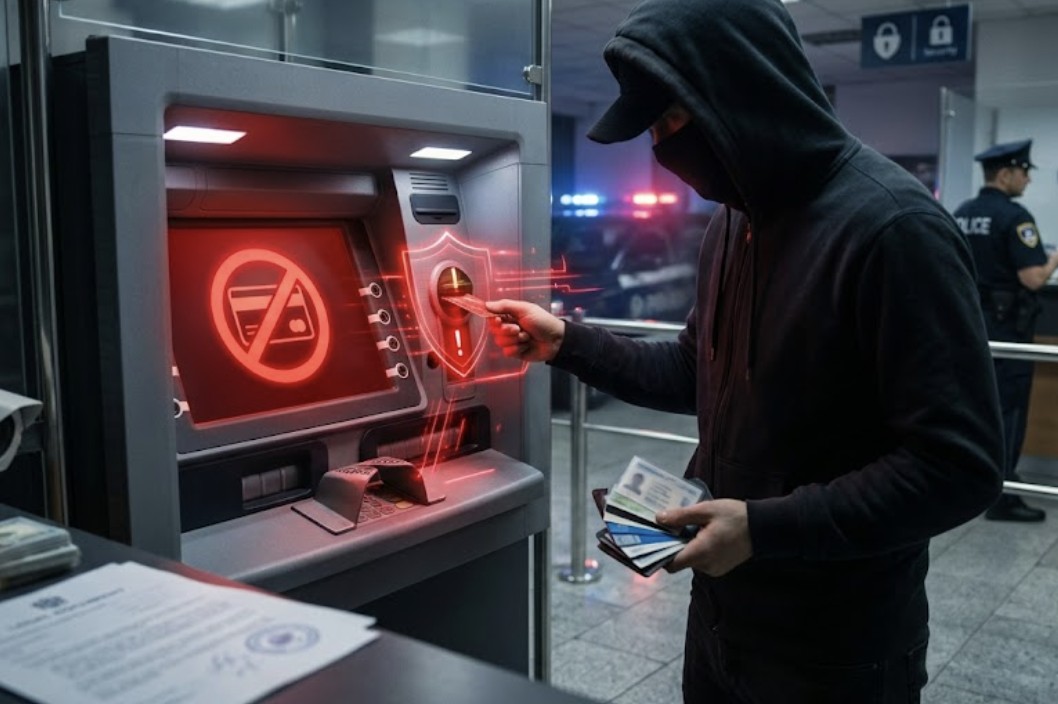
Simply providing an account usually focuses on the reason for delivery, control, and whether the account was foreseen to be used criminally. If the person actually withdraws, transfers, receives, or delivers funds, the police will also investigate who gave the instructions, how they communicated, the frequency and amount, whether there was any compensation, who the money was given to, how much the person knew, whether there were any unusual instructions, and other participants. Actual withdrawal does not necessarily mean that everyone involved is guilty, but the behavior, the flow of funds, and the content of communications will be judged together.
Police will investigate the source of the work or task, LINE/Telegram/WhatsApp conversations, the identity of the person giving the instructions, the number and amount of withdrawals or receipts, the method of delivery and the reward; they will also check whether the defendant provided their own account, purchased virtual currency on behalf of others, had been warned by the bank, and how the defendant understood the source of the funds and what contact they had with other defendants.
Before giving your first statement, you can learn more about...How to handle a notification from the police stationandCriminal investigation processHowever, do not delete conversations or modify information.
It may be investigated, but liability still depends on the actual actions, subjective cognition, division of labor in the case, flow of funds, content of communications, remuneration, and other evidence. The court will determine whether the parties jointly participated in the fraud, or knowingly or foreseeably provided assistance in the crime; when the flow of funds is interrupted due to withdrawals, transfers, or deliveries, the court may also examine, under the Money Laundering Prevention Act, whether there was any act or intent to conceal or hide the whereabouts of the proceeds of crime.
A crime cannot be established solely because there was a withdrawal, nor can liability be absolved simply because the perpetrator did not lie to the victim. If the issue originally only involved account transfers, please refer to...Emergency handling of dummy accounts accused of fraud and money laundering.
If you or a family member are suspected by the police of being involved in fraud, money laundering, money laundering, or bribery, you should first compile police notices, conversations, withdrawals and transfers, payments, and current procedures so that a lawyer can assess the initial statement, subsequent investigations, and detention risks.
Simply saying "I don't know" is usually not enough. Prosecutors and police will examine recruitment advertisements, job descriptions, complete conversations, how the other party explains the reason for withdrawals, whether the compensation is unusual, and whether there are requests to avoid bank personnel, delete records, use unfamiliar accounts, or use code words for reporting.
How the funds were delivered after withdrawal, whether cryptocurrency was purchased, and whether the transaction was stopped, inquired about, the bank contacted, or the police were notified after any anomalies were discovered will all affect the judgment. No single factor will necessarily determine the outcome; evidence should be used to reconstruct the understanding at the time, and references can be made.How to distinguish between ignorance and criminal intent.
Save police notices, search warrants, seizure lists, messaging conversations, job advertisements, remittance and withdrawal records, bank statements, payment and payment records, transportation or accommodation information, contact information of the person giving instructions, and create an event timeline by date.
If you have ever sufferedPolice searchThe seized mobile phones, bank cards, cash, and documents should be verified. Do not delete, modify, conceal, or fabricate evidence; uncertain dates and amounts should be noted as pending investigation.
Cases involving multiple individuals involve the division of roles and the identification of accomplices. Prosecutors and police may differentiate roles such as recruiter, commander, cash withdrawer, receiver, transferor, and delivery person by examining group chats, communications, location tracking, surveillance footage, and fund flows. Large sums of money, multiple withdrawals, cross-account transfers, or virtual asset transactions also increase the difficulty of clarifying each transaction and the individual's awareness of the funds.
Being accused of being a member of a fraud ring does not mean that a crime can be directly established without considering individual pieces of evidence; the time of participation, tasks, remuneration, information known, and each act must still be examined separately.
First, confirm the individual's workplace, the cause of action, and whether the proceedings are currently in the form of police questioning, investigation, detention, or custody. Compile all relevant documents, including notices, search warrants, seizure lists, mobile phone background records, and transaction records. Do not contact witnesses or other involved parties separately to coordinate their statements.
If detention has already been requested, you can first find out...Detention and Custody ProceduresThey must provide verifiable information about their work, residence, family, contacts, and financial transactions, which can be verified by a lawyer. Whether or not they will be detained is determined by the court on a case-by-case basis.
Fraud Criminal LawyerFirst, we will confirm the defendant's role, subjective perception, source of instructions, evidence of communications, financial transactions, remuneration, withdrawal or transfer methods, relationship with other defendants, the content of the first police interrogation, the circumstances of the search and seizure, and the risks of detention. Defense strategies must be adjusted based on complete evidence; the same "lack of knowledge" argument cannot be used for all cases.
If a case has been prosecuted after investigation, the evidence regarding role identification, financial transactions, communications, and other defendants should be re-examined in accordance with the indictment, and further organized.Preparation for the first criminal trial after the driver and water collector were prosecuted..
An investigation may be conducted, but that does not necessarily mean a crime has been committed; the source of the work, instructions, amount, remuneration, delivery method, and the individual's understanding still need to be examined.
To determine whether a statement is consistent with objective evidence and whether there was direct or uncertain intent, one cannot rely solely on a statement of not knowing.
Possibly. A friendship does not automatically absolve one of liability; the reason for the payment, the basis of trust, the reason for the payment on behalf of the recipient, and whether there were any unusual instructions or rewards must still be explained.
Yes. A lawyer can first review the notices, conversations, and financial transactions to help organize the facts and evidence, and assess whether to accompany the police for questioning.
Not necessarily. The court will make its judgment based on the suspicion of a crime and the legal reasons for detention, taking into account the number of people involved, the flow of funds, the relationships between parties, and the state of the evidence.
