Telephone
02-77093611
Line
@fdlaw
address
17th Floor, No. 180, Section 2, Dunhua South Road, Da'an District, Taipei City
Telephone
02-77093611
Line
@fdlaw
address
17th Floor, No. 180, Section 2, Dunhua South Road, Da'an District, Taipei City


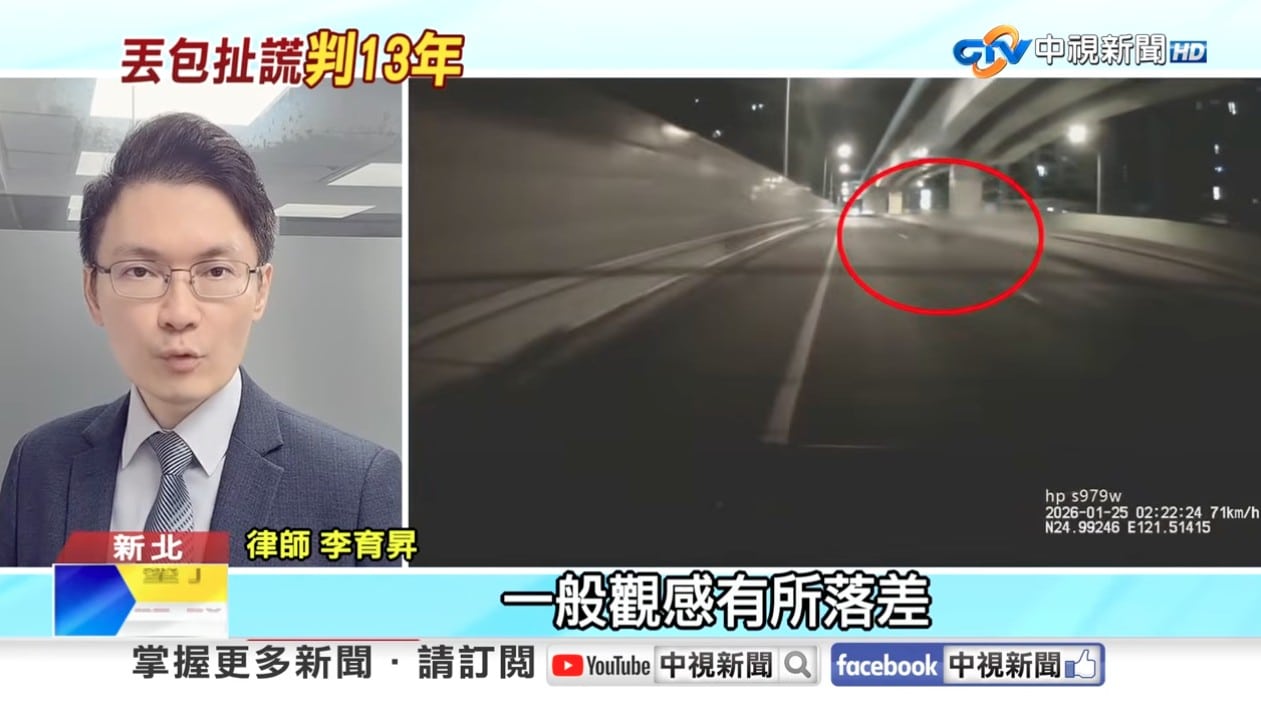
News Headline:"Top Student" Dies After Being Run Over by Four Cars! Driver "Lies and Absent from Work" Sentenced to 13 Years in First Instance | CCTV News 20261106
Media Source:CTV News
reporter:Du Yixuan
News link:https://youtu.be/aUJ0H2xj4VA?si=9tbTVED1xCRgewLj
Interviewed lawyersAttorney Li Yusheng
According to a report by CTV News, a passenger was left on Provincial Highway 64 while riding in a multi-purpose taxi and was subsequently run over and killed. On November 6, 2026, the New Taipei District Court's National Judges Court sentenced the driver to 13 years in prison for abandonment resulting in death. The court press release stated that the driver, knowing the passenger was incapable of self-rescue, dragged her out of the vehicle and left, violating the protections he was obligated to provide under the transportation contract. This is a first-instance judgment and is still subject to appeal.
A driver's duty of care extends beyond simply driving to the destination; it also includes ensuring passengers disembark in a safe location. Article 294 of the Criminal Code focuses on whether the passenger was unable to avoid danger on their own, whether the driver had a contractual duty of care, and whether the driver knowingly abandoned or failed to provide necessary protection despite the danger. Disputes or intoxicated passengers do not automatically absolve this duty; if there are safety concerns, the driver should stop in a safe location and contact the police or paramedics.
Taxi driver dies after lost bagCriminal liability must be determined by considering the driving record, the passenger's physical condition, the drop-off location, and the subsequent events. The distinction between abandonment resulting in death and murder also involves the perpetrator's subjective awareness and intent; murder cannot be directly established solely based on the death. However, in this case, the judge determined that while the defendant did abandon the item, he did not have the subjective intent to kill. This determination likely differs somewhat from the general public's perception.
Fuda Law Firm
Address: 17th Floor, No. 180, Section 2, Dunhua South Road, Da'an District, Taipei Taiwan 106
Tel:02-7709-3611
Line:@fdlaw
Facebook:FDLAW
website:https://fdlaw.com.tw/
e-mail:info@fdlaw.com.tw
