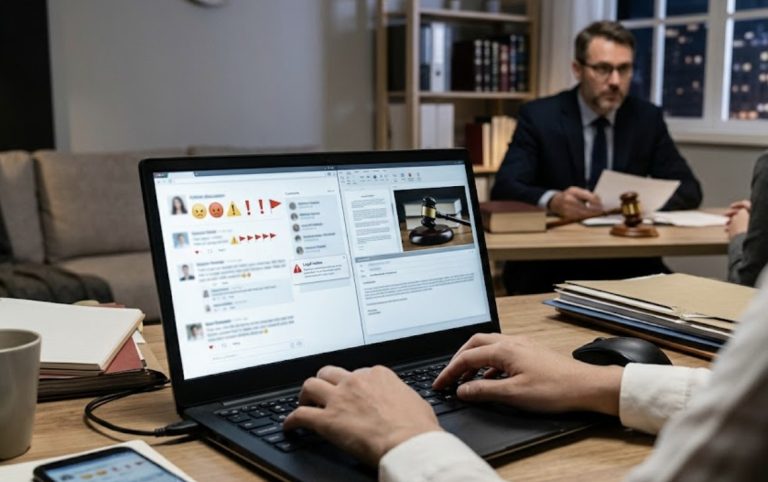
網路留言,公然侮辱,誹謗

What to do if you are accused of public insult and defamation in online comments? A lawyer analyzes the risks, evidence, and settlement strategies for defamation.

Online comments, social media posts, or public statements that involve insults, accusations of specific facts, or the dissemination of false information may lead to public insult, defamation, and civil disputes concerning the right to reputation. This article, written by lawyer Li Yusheng, explains the elements for establishing a defamation case, evidence preservation, common defense strategies, and key points to note when receiving a summons, filing a lawsuit, or entering into settlement negotiations.
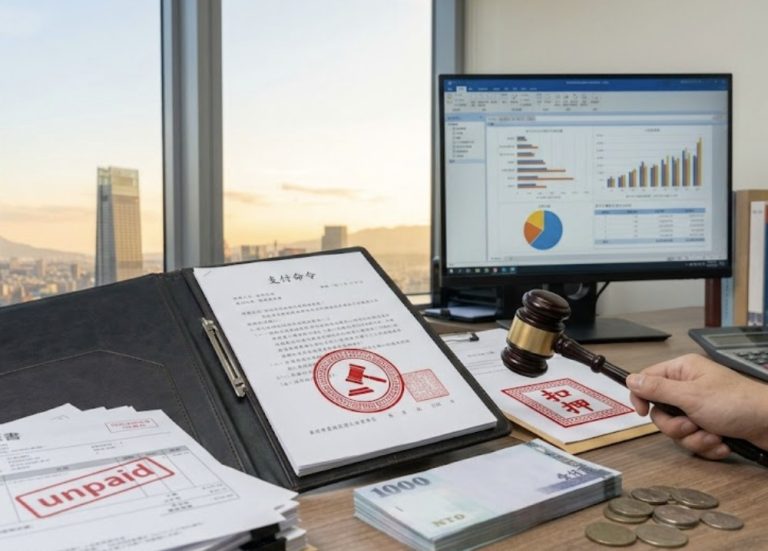
貨款,追討貨款,假扣押,支付命令,強制執行

What to do if your company can't collect payments? A complete guide to debt collection, payment orders, and forged attachments for businesses.

When a company is owed money, has bounced checks, or faces malicious delays in payment from customers, can it directly sue for fraud? This article, written by a lawyer, analyzes the boundaries between civil debt and criminal fraud, evidence collection, payment orders, false attachment, and the liability of responsible persons, assisting companies in recovering funds and reducing transaction risks, providing a comprehensive overview from immediate handling to sue strategies.
人頭帳戶,警示帳戶,刑事詐欺律師

What to do if a nominee account is accused of fraud or money laundering? Protect your account, records, and evidence.

When a company is owed money, has bounced checks, or faces malicious delays in payment from customers, can it directly sue for fraud? This article, written by a lawyer, analyzes the boundaries between civil debt and criminal fraud, evidence collection, payment orders, false attachment, and the liability of responsible persons, assisting companies in recovering funds and reducing transaction risks, providing a comprehensive overview from immediate handling to sue strategies.
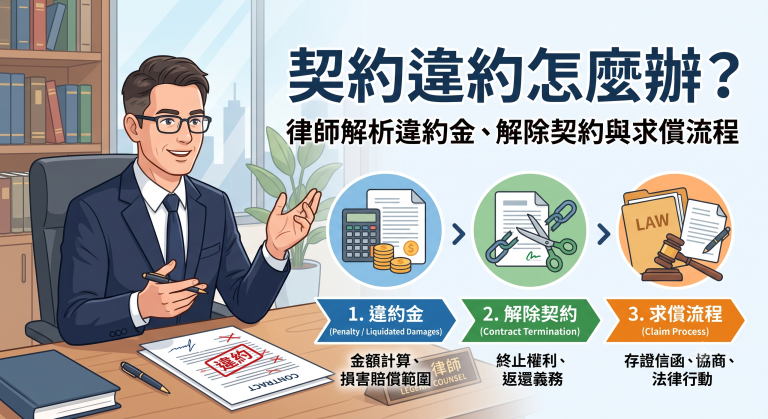
契約違約,商務律師

What to do if a contract is breached? A lawyer explains the process of breaching a contract, terminating a contract, and seeking compensation.

When a company is owed money, has bounced checks, or faces malicious delays in payment from customers, can it directly sue for fraud? This article, written by a lawyer, analyzes the boundaries between civil debt and criminal fraud, evidence collection, payment orders, false attachment, and the liability of responsible persons, assisting companies in recovering funds and reducing transaction risks, providing a comprehensive overview from immediate handling to sue strategies.
妨害公務,襲警,計程車

Can a driver take a passenger directly to the police station if the passenger refuses to pay the taxi fare? What happens if you assault a police officer? Attorney Li Yusheng explains obstruction of official duties, assault, and fare disputes.

News Headline: Passenger Refuses to Pay Taxi Fare! Assaults Officer at Police Station, Causing Injury Media Source: TVBS News Reporter: Jiang Yunman News Link: According to news reports, a passenger allegedly refused to pay the fare after taking a taxi. The driver took the passenger to the police station, where the passenger subsequently attacked and injured an officer. Such incidents may involve issues of fare payment, fraud, obstruction of official duties, and liability for assault, and cannot be treated as simple consumer disputes. News Summary: According to TVBS News, an incident occurred in Zhonghe District, New Taipei City, where a passenger refused to pay a taxi fare. The driver took the passenger to the police station, but the passenger lost control at the scene, attacked an officer, and caused an injury to the officer's hand. The report also mentioned that the passenger subsequently faced legal proceedings for obstruction of official duties. Common points of contention in such cases include…

酒駕,公共危險

Can you still drive under the influence if you drink alcohol that's been left overnight? Attorney Li Yusheng explains the dangers of exceeding the legal limit, public danger, the differences between criminal and military law, and the responsibilities of military personnel driving under the influence.

News Headline: Woman Caught Driving Under the Influence! Turns Out to Be a Member of the Armed Forces; Claims She Drunk the Day Before. Media Source: ETtoday News Reporter: Yang Xinyi News Link: According to news reports, a woman was stopped by police for a traffic violation and subsequently tested positive for suspected drunk driving. She was also identified as a member of the armed forces. The driver claimed she had been drinking the day before driving. For the general public, the most important legal concept in such cases is: sleeping through a night doesn't necessarily mean you're not driving under the influence; the key is the blood alcohol concentration at the time of driving and whether it reaches a level that precludes safe driving. News Summary: According to news reports, the driver was stopped by police for a traffic violation, and after a breathalyzer test, she was suspected of exceeding the legal limit and was discovered to be a member of the armed forces. The person involved stated that she did not drive immediately after drinking, but rather the day before. In drunk driving cases, "the alcohol from the previous night..."