Telephone
02-77093611
Line
@fdlaw
address
17th Floor, No. 180, Section 2, Dunhua South Road, Da'an District, Taipei City
Telephone
02-77093611
Line
@fdlaw
address
17th Floor, No. 180, Section 2, Dunhua South Road, Da'an District, Taipei City

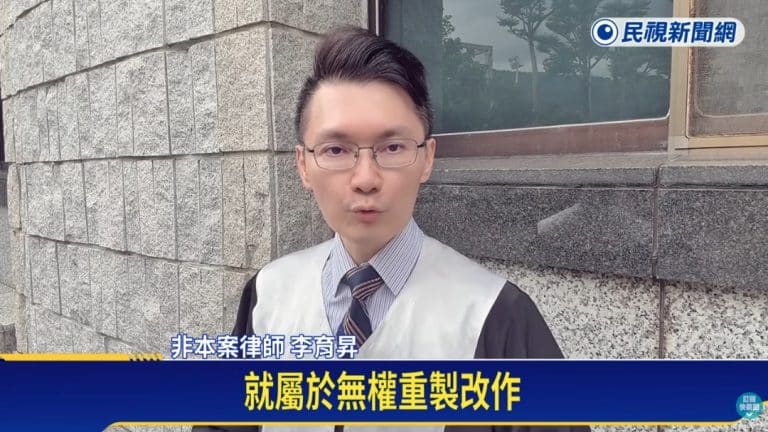
Yu Shu-chen's Luffy cosplay and "AI-generated" other character promotional videos spark controversy | FTV News reporter Wu Wen-yi News Link: News Summary Yu Shu-chen, the mayor of Ji'an Township, Hualien County, recently posted a video on social media promoting Hualien County government summer activities. In the video, she cosplayed Luffy from "One Piece" and used AI to create other characters. After the video was released, netizens questioned whether it involved copyright infringement of anime characters. In response, Yu Shu-chen stated that the video was taken down immediately and explained that the editor "didn't think that much about it." This type of incident reflects a common misconception: as long as it is AI-generated and not a direct copy of the original image, it will definitely not infringe on copyright. In fact, if the AI-generated content is still highly similar to the protected character settings, appearances, names, or commercial identities of others, ...

Line Email Phone Key Takeaways When a Taiwan Company Refuses to Pay, Foreign Businesses Need a Local Strategy A foreign company may spend months building a business relationship with a Taiwanese customer, distributor, supplier, or commercial partner. The contract is signed, goods are delivered, serv…


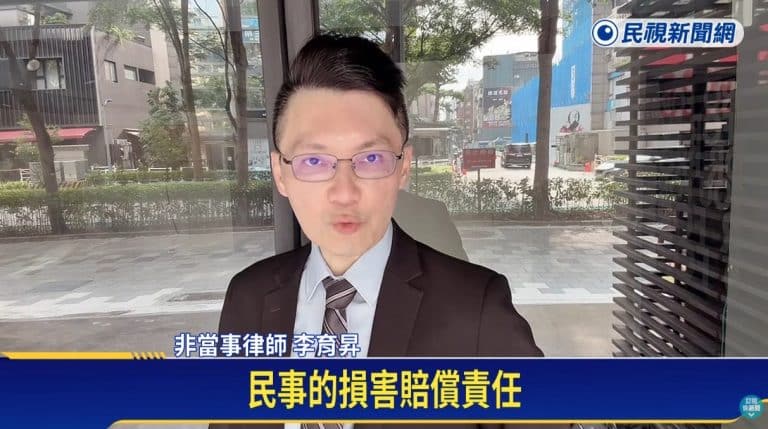
Man Goes Blind After Eye Surgery, Suspects Doctor of "Substitute Surgery"; Tri-Service General Hospital Denies Allegations | FTV News Reporter Wu Wen-yi News Link: News Summary A man underwent eye surgery for vitreous hemorrhage in his left eye, but subsequently went blind. He questioned whether a different doctor performed the surgery, despite having consulted with a specific physician, raising suspicions of "substitute surgery." The hospital denied the allegations. The key to such medical disputes is usually not simply that a "bad outcome" necessarily constitutes medical negligence, but rather requires further clarification regarding: whether risks were adequately disclosed before surgery, whether the surgical consent form was clear, whether the surgeon performed the surgery within the scope of the patient's consent, and whether there is a causal relationship between the postoperative blindness and the medical procedures. Attorney Li Yu-sheng explains Fidelity Legal Services…