Telephone
02-77093611
Line
@fdlaw
address
17th Floor, No. 180, Section 2, Dunhua South Road, Da'an District, Taipei City
Telephone
02-77093611
Line
@fdlaw
address
17th Floor, No. 180, Section 2, Dunhua South Road, Da'an District, Taipei City


Legal Content Provided by: Attorney Li Yusheng Can a company directly dismiss an employee due to poor performance? According to Article 11, Paragraph 5 of the Labor Standards Act, an employer may terminate the employment contract with advance notice when an employee is deemed unable to perform their job duties. However, dismissal cannot be automatically granted simply because the supervisor is dissatisfied, the employee's performance review is poor, performance targets are not met, or the performance is below expectations. The company should still provide objective evidence of work performance and incompetence, assess whether reasonable improvement measures have been taken, and whether the principle of dismissal as a last resort applies. The real questions that need to be answered are: whether the job requirements were reasonable, where exactly the employee failed to perform, how the company assisted, and why there were no other reasonable and feasible ways to maintain the employment relationship. Before HR begins preparing dismissal documents, the "facts of incompetence," "improvement and alternative measures," and "termination procedures and compensation" should be examined separately. Without a basis for the first two, even if notification is completed…

Legal Content Provided by: Law Firm of Lee Yu-sheng What should be the first step when receiving a labor dispute mediation notice? When a company receives a notice from an employee applying for labor dispute mediation, it should first confirm the competent authority, mediation date, the employee's specific request, the facts of the dispute, and the legal relationships involved, and immediately compile relevant personnel, salary, attendance, and termination contract information. The company should not be deemed to have violated the law simply because the employee filed for mediation; however, it should not ignore the notice, arbitrarily fail to appear, or directly promise payment before assessing legal risks. Human resources should first keep the notice and attachments, record the date of receipt, designate a contact person familiar with the facts, and then the company should confirm who has the authority to make statements, propose solutions, and sign agreements. The handling methods differ depending on whether a "Labour Bureau Notice," "Court Labor Mediation Notice," or "Complaint and Court Notice" is received. The relevant authority, case number, date, required documents, and response deadline should be recorded item by item on the document; if the attachments are insufficient, the relevant authority should be contacted…

Legal content provided by Attorney Li Yusheng: When a company discovers that an employee is suspected of embezzling funds, accepting kickbacks, forging documents, or violating job duties, it should first preserve legally obtained relevant evidence, clarify the scope of authority and the facts of the conduct, and simultaneously assess the termination period of the employment contract, criminal liability, and civil claims. A company's suspicion of an employee's misconduct does not equate to having all the necessary elements for dismissal and criminal conviction. This article focuses on how companies can integrate investigations into major misconduct, termination of employment contracts, and civil and criminal prosecution. If the dispute primarily concerns the private interests and transaction prices between purchasing personnel and suppliers, a separate in-depth comparison of the supplier relationships and cash flow related to the purchasing manager's kickbacks should be conducted; a single criminal charge cannot replace the entire investigation. What is the first step when a company discovers that an employee is suspected of embezzlement, breach of trust, or major misconduct? This includes situations such as the finance or cashier shorting company funds, failure to collect business receipts, purchasing personnel accepting kickbacks privately with suppliers, falsifying expenses or creating false reimbursement forms, and managers handling official business without authorization…


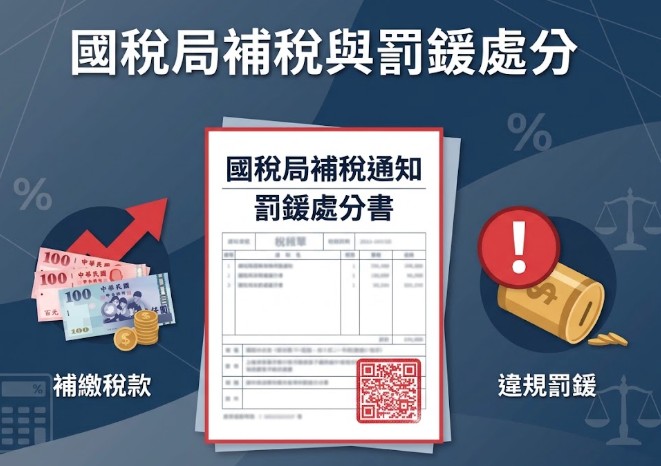
Upon receiving a tax payment or fine, do these six things: First, note the actual delivery dates of the penalty notice, assessment notice, and payment slip. Distinguish between a "tax payment assessment," a "fine penalty," and other administrative penalties. If the tax payment and fine are separate penalties, and you disagree with both, you should, in principle, confirm each and file separate appeals. Tax assessments usually require a review process first; you cannot jump directly to administrative litigation. Analyze the IRS's findings of fact, tax calculation, transaction data, and reasons for the penalty separately. Don't just focus on writing your appeal; simultaneously address payment, enforcement, and company cash flow risks. Many companies, during the IRS audit phase, focus on: explaining transactions; supplementing documents; and communicating with the investigator. Only when they receive: a tax assessment notice; a tax payment slip; a penalty notice; and a fine payment slip, do they suddenly realize that the case has moved from "investigation" to formal: administrative penalties and administrative…