Telephone
02-77093611
Line
@fdlaw
address
17th Floor, No. 180, Section 2, Dunhua South Road, Da'an District, Taipei City
Telephone
02-77093611
Line
@fdlaw
address
17th Floor, No. 180, Section 2, Dunhua South Road, Da'an District, Taipei City


Upon receiving an indictment for fraud, money laundering, or nominee accounts, don't just look at the charges, the prosecutor's sentencing recommendations, or the last page of the indictment. The indictment means the case will be heard in court. What truly influences the preparation for the first trial is how the prosecutor combines the facts of the crime, the defendant's role, the flow of funds, and communication evidence. After receiving the indictment, you should immediately check each item: the facts of the crime identified in the indictment, the defendant's identified role, the evidence cited by the prosecutor, how the flow of funds is interpreted, how the communication records are interpreted, whether it's a guilty plea, and the scope of the guilty plea. Which facts are still in dispute? Is there any important evidence yet to be presented? The earlier you compare the indictment with the case file, the better you can avoid discovering crucial information that wasn't organized, discrepancies in previous statements, or differences between the prosecutor's assessment of the defendant's role and the actual situation only during the first preparation stage or on the trial date. Does being indicted necessarily mean being found guilty? No. Indictment is initiated when the prosecutor, after investigation, believes there is sufficient evidence to warrant prosecution…

The investigation into those who actually handle funds differs from that of those who simply provide an account. Simply providing an account typically focuses on the reason for the transfer, control, and whether the account was foreseen to be used criminally. If the person actually withdraws, transfers, receives, or delivers funds, the police will also investigate who gave the instructions, how they communicated, the frequency and amount, whether there was any payment, who received the money, how much the person knew, whether there were any unusual instructions, and other participants. Actual withdrawals do not necessarily mean everyone is guilty, but the actions, the flow of funds, and the content of communications will be judged together. What do the police typically investigate when someone is suspected of being a fraud co-driver or money launderer? The police will investigate the source of the work or task, LINE/Telegram/WhatsApp conversations, the identity of the person giving instructions, the frequency and amount of withdrawals or receipts, the method of delivery, and payment; they will also confirm whether the person provided their own account, purchased virtual currency on behalf of others, received any warnings from the bank, and how they understood the source of the funds and any contact with other defendants. …
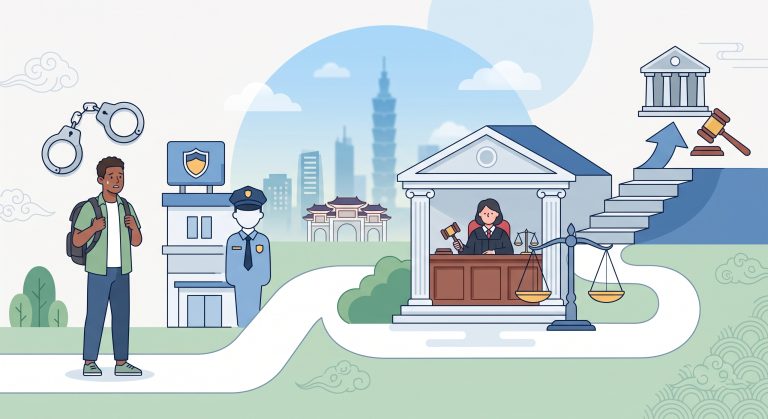
A criminal case in Taiwan may pass through several distinct stages, and each stage serves a different purpose. An arrest does not by itself mean that the person will be prosecuted, detained for an extended period, or convicted. The authorities must still investigate the alleged facts, gather evidence…